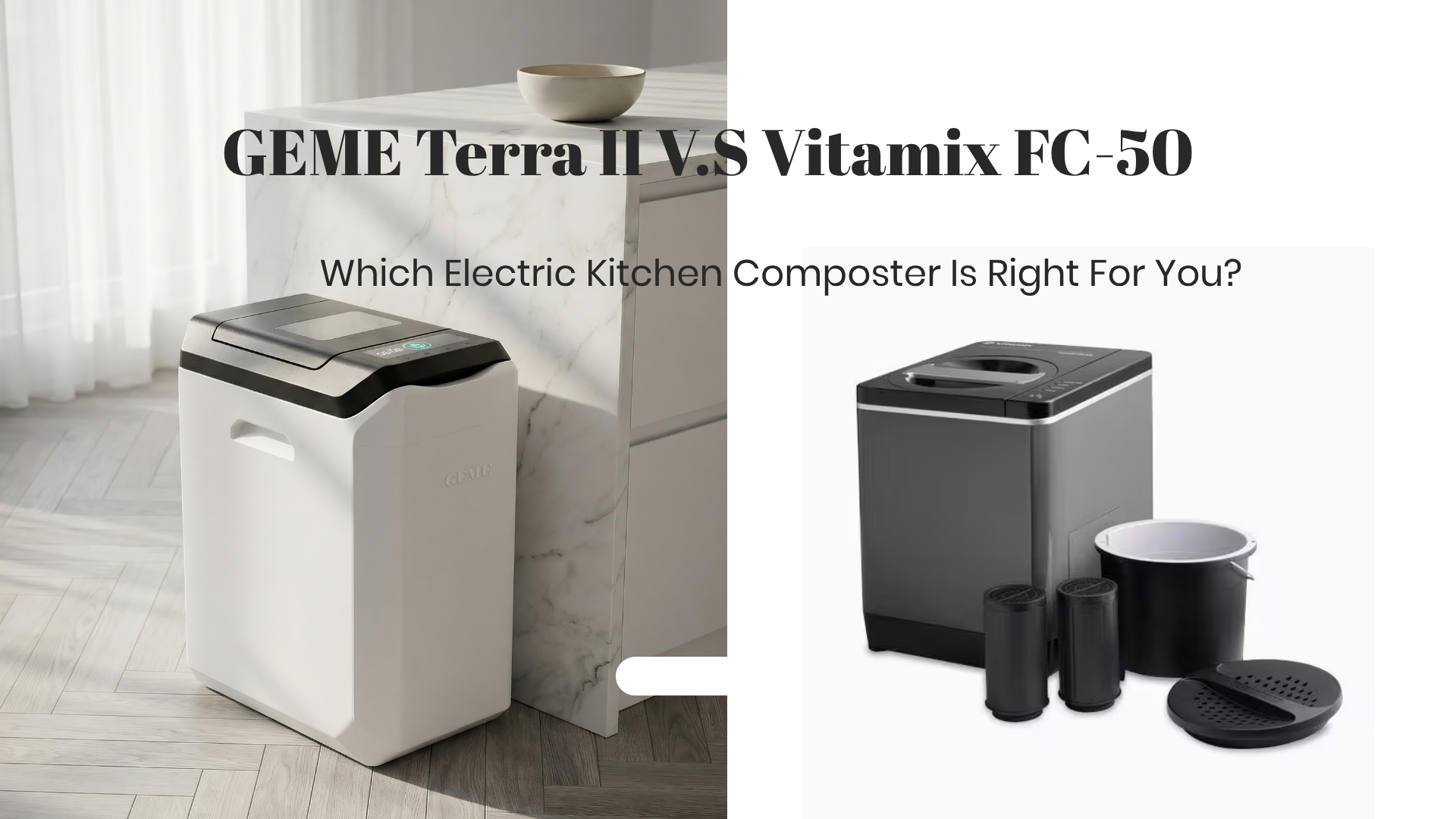
Kitchen Composter vs Food Waste Recycler: What’s the Real Difference?

A kitchen composter and a food waste recycler are often placed in the same shopping category. But they do not always do the same biological job.
Some machines dry and grind food scraps into shelf-stable grounds. Others support a microbial process and create compost base for soil blending.
Both can reduce trash odor and daily food-waste friction, but only one category is built around real composting biology.
Simple rule: ask what happens inside the machine, and ask what the output needs before it can return to soil.
Quick Answer
A kitchen composter should support biological decomposition.
A food waste recycler often reduces, dries, grinds, or stabilizes scraps so they are easier to store, dispose of, or further process.
That difference matters because output from dry-and-grind food recyclers is not necessarily finished compost.
EPA guidance says residential food-scrap pre-processing appliances that grind and dehydrate food scraps reduce volume and weight, but they do not directly produce compost. Their output should be composted, cured, or otherwise further treated before use.
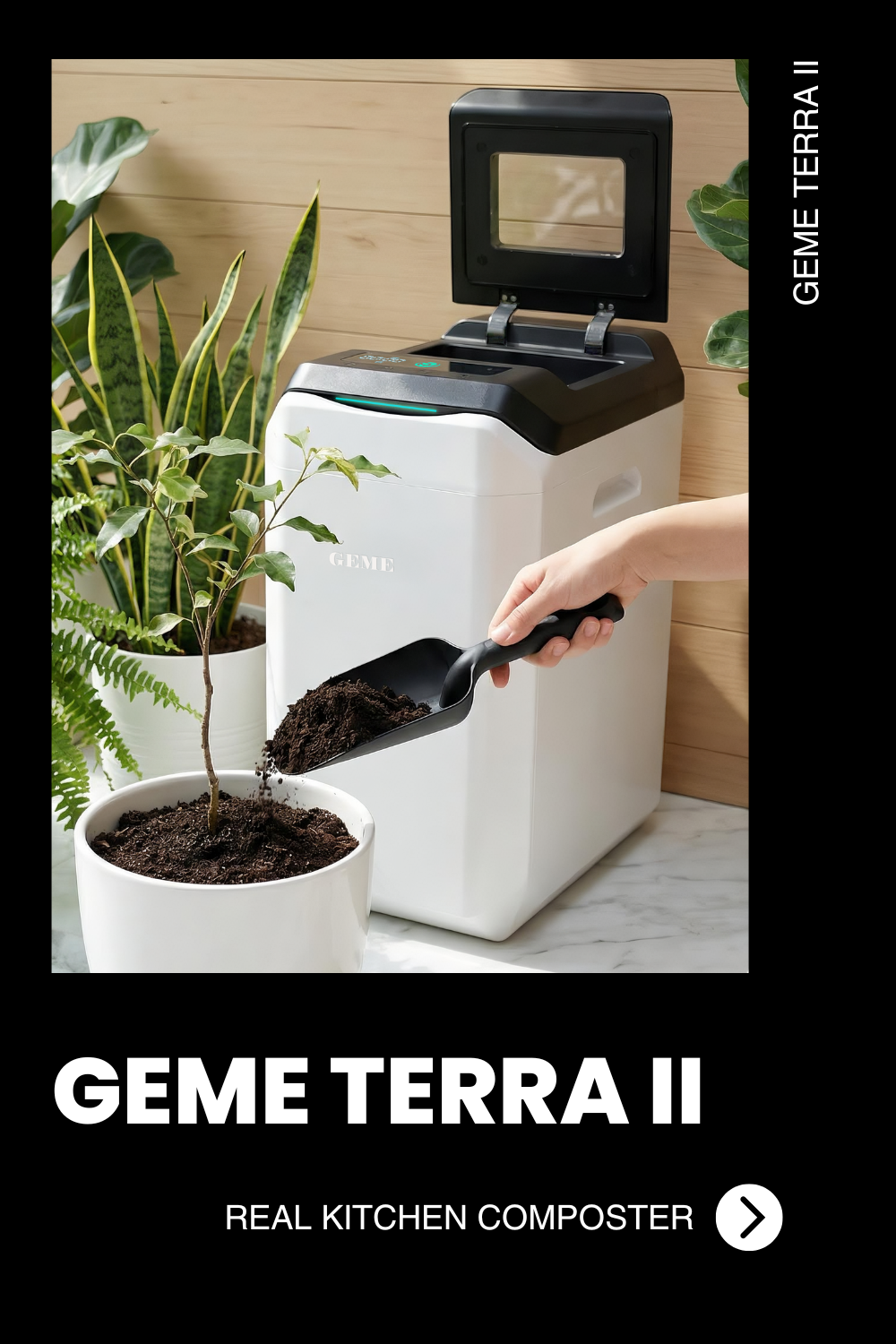
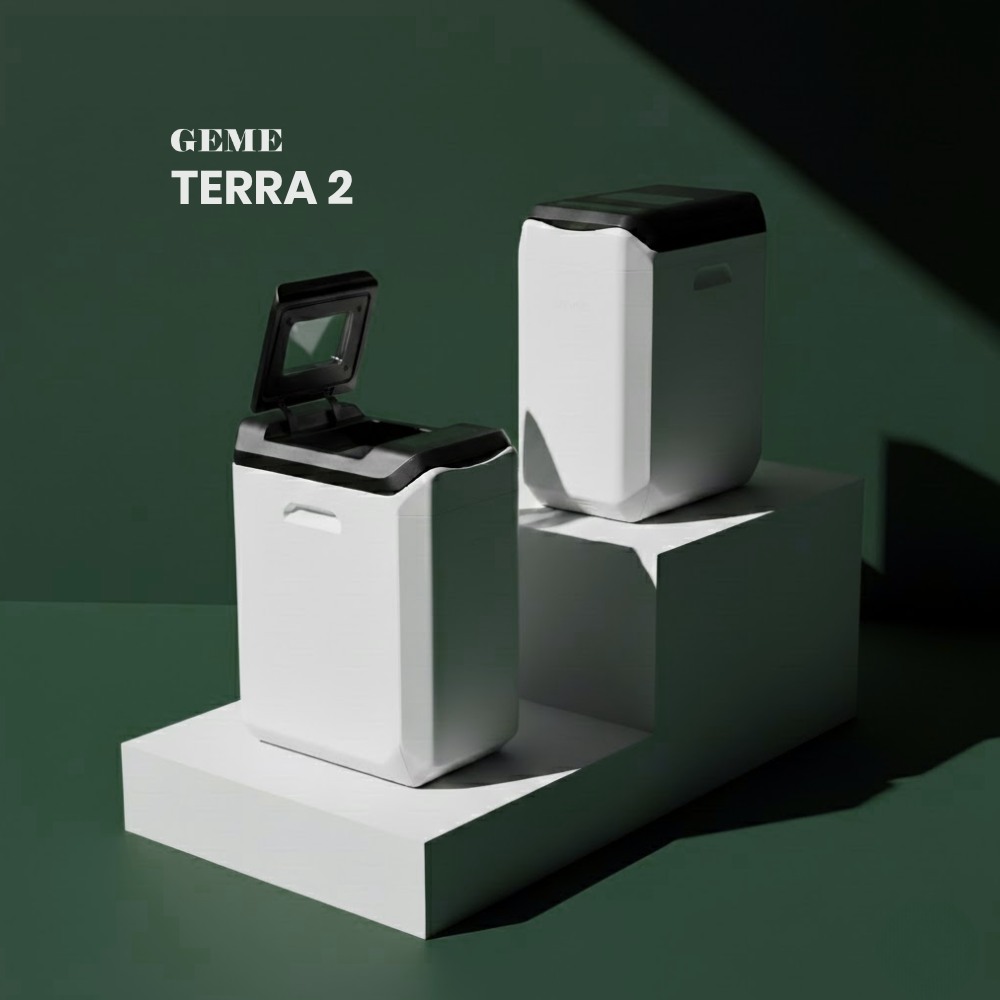
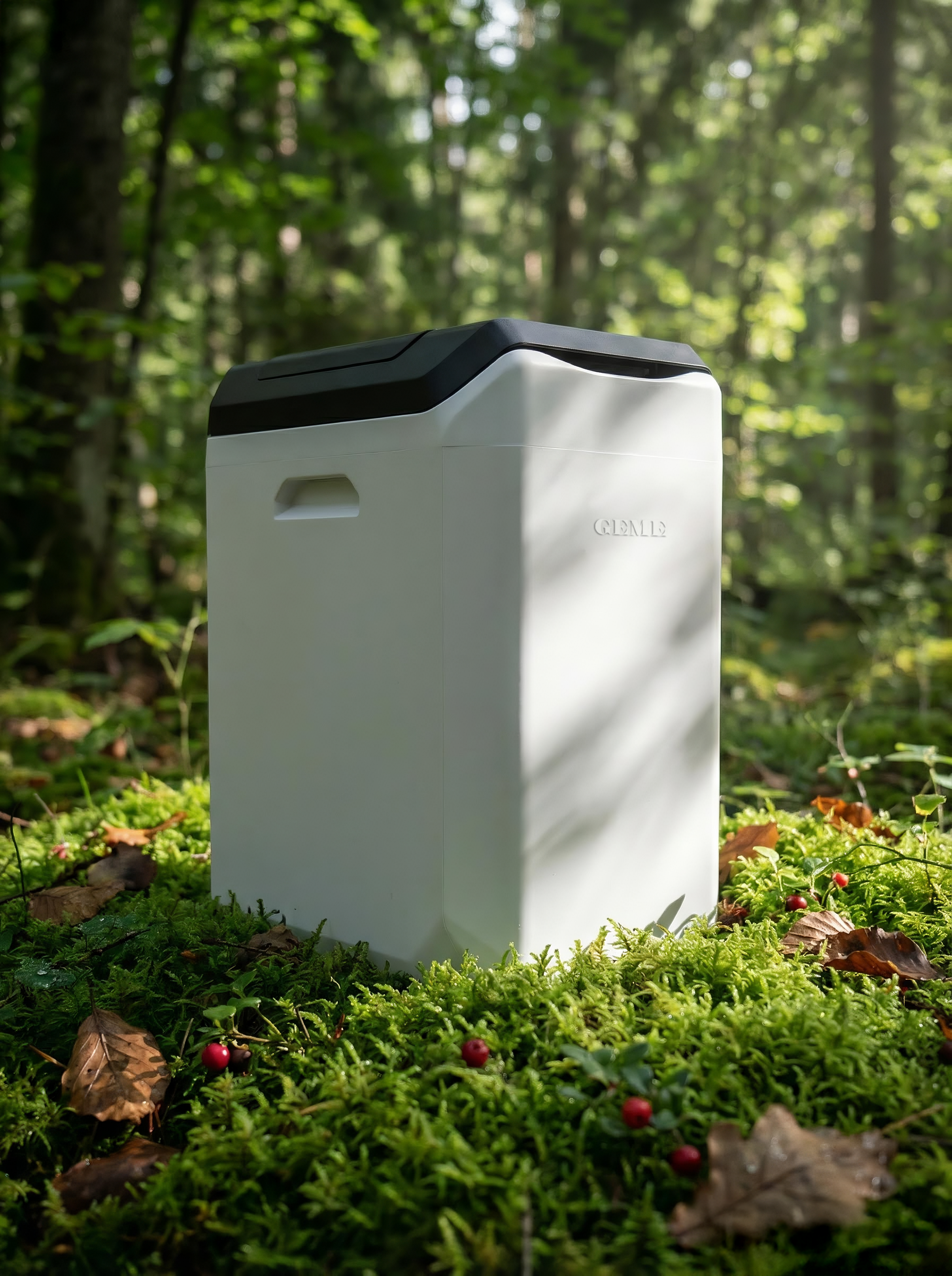
GEME Terra II is positioned differently: it uses living microbes and adaptive control to create a moist compost base for soil blending, with no drying and no routine replacement odor filters.
That makes it a stronger fit for users who want a real soil-return routine instead of only a food-scrap reduction routine.
Related reading: